Warehouse Security Systems
Size, Distance, and Cabling
Warehouses are unique environments that demand purpose-built warehouse security systems, not off-the-shelf solutions designed for simpler spaces.
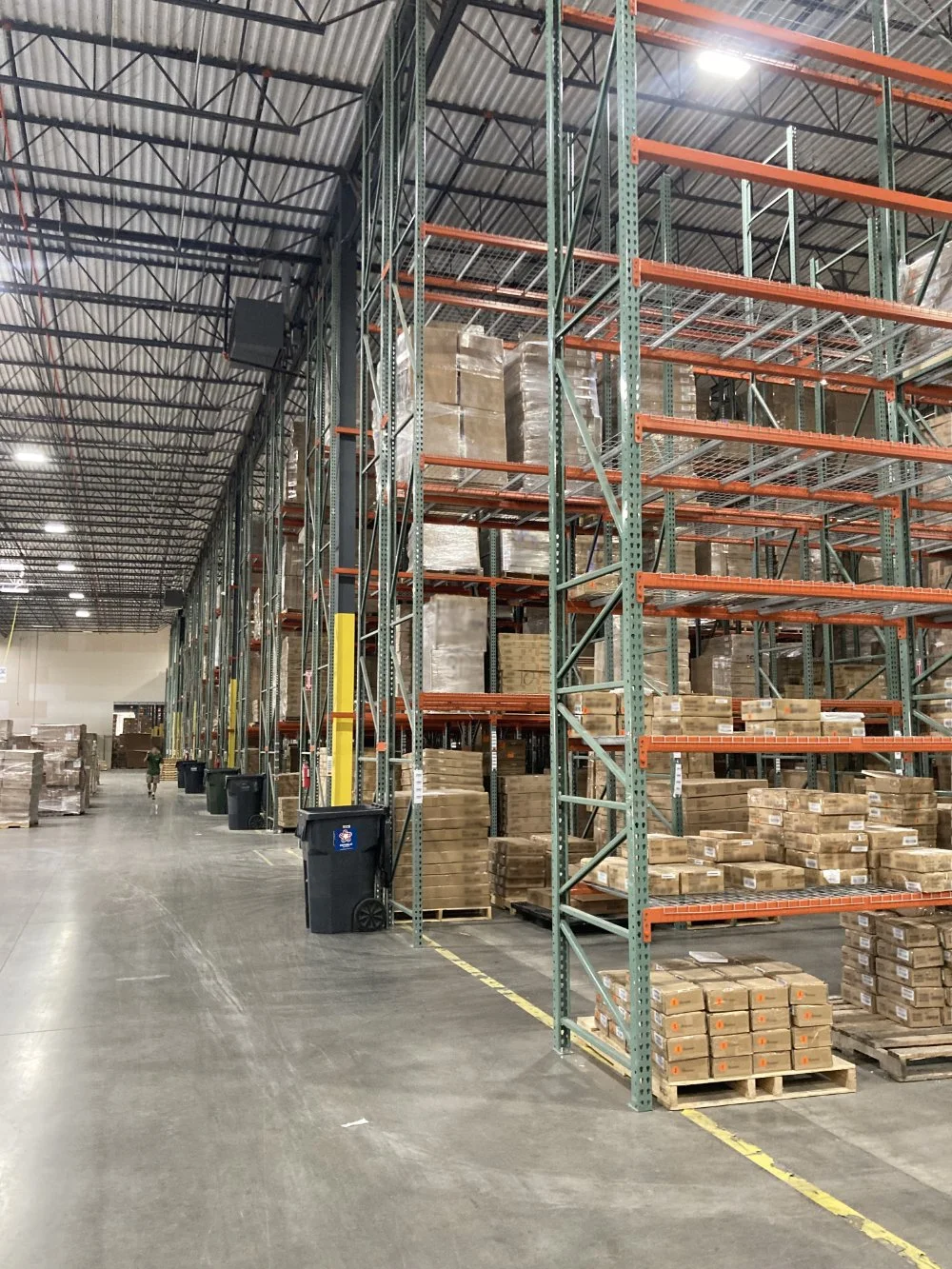
They are often large facilities. Their size and propensity to be filled with densely-packed can interfere with wireless signals. Even cabled connections require careful planning to ensure that maximum cable lengths (e.g. of several hundred feet for CAT5 or CAT6 cable) are not exceeded.
Systems may need power injectors or intermediary switching cabinets (IDFs) to prevent voltage drop and signal loss.
Moving Equipment and Installation Requirements
Moving equipment like forklifts, pallet jacks, and even conveyor belts and pallet wrappers can easily damage equipment that isn’t carefully mounted. Use of junction boxes and EMF conduit are often required. Cabling run through ceilings often requires special lift equipment.
To use such equipment safely requires special considerations, such as technician training, insurance, and OSHA certification.
Temperature, Humidity, and Hardware Selection
Outdoor-like temperatures and humidity levels can also strain hardware that hasn’t been carefully selected for the environment. “Indoor” cameras, sensors, and enclosures are often appealing due to smaller upfront investments, but will fail quickly in warehouse environments that are not climate controlled.
Warehouse Camera Coverage: Aisles, Docks, and High-Value Inventory
Special attention needs to be paid to warehouse video surveillance coverage. Shelving and equipment can block important angles. Long aisles may require higher resolution, longer lenses, or additional cameras to ensure that recordings are adequate for recovery in cases of loss. Docks and loading bays should be planned for and covered. High-value or dangerous inventory will require additional attention.
Warehouse Security Certification Requirements
Despite the challenges, warehouses still require coverage from security systems. Many large facilities are subject to certification requirements that directly or indirectly mandate industrial security systems (such as ISO 9001, ISO 28000, TAPA FSR, or R2). Even if your facility is not certified, it is important to protect staff, prevent shrinkage, and analyze safety incidents (or better yet, proactively discourage them via AI alerts to management and live response). Insurers may require certain systems or provide discounts for installing them.
Get a Free Warehouse Security Assessment in Dallas-Fort Worth
If you are planning or operating a warehouse and need an experienced partner to help design your warehouse security systems, give us a call. Settler Security serves warehouse and industrial clients across the Dallas-Fort Worth area, including Carrollton, Irving, Grand Prairie, Garland, and surrounding communities. We offer free, no-obligation site surveys to help you set budgets, timelines, and organizational expectations. Contact us below to get started.