
Access Control System Installation
Reliable and Secure Warehouse Access Control Systems
Nearly every warehouse and factory faces the challenge of making sure employees, contractors, vendors, and suppliers can access the areas they need to in order to conduct business while also keeping thieves, vagrants, vandals, and the naively curious out.
Access control can help you manage who is coming and going through your facilities with modern access control solutions.
Hardware, including mag-locks and electric strikes
Cloud and on-prem ACMS
Keycards, keypads, and mobile access credentials
Intrusion alarm and HRIS integration
Security camera synchronization
Access control installation and maintenance
Standards-Driven
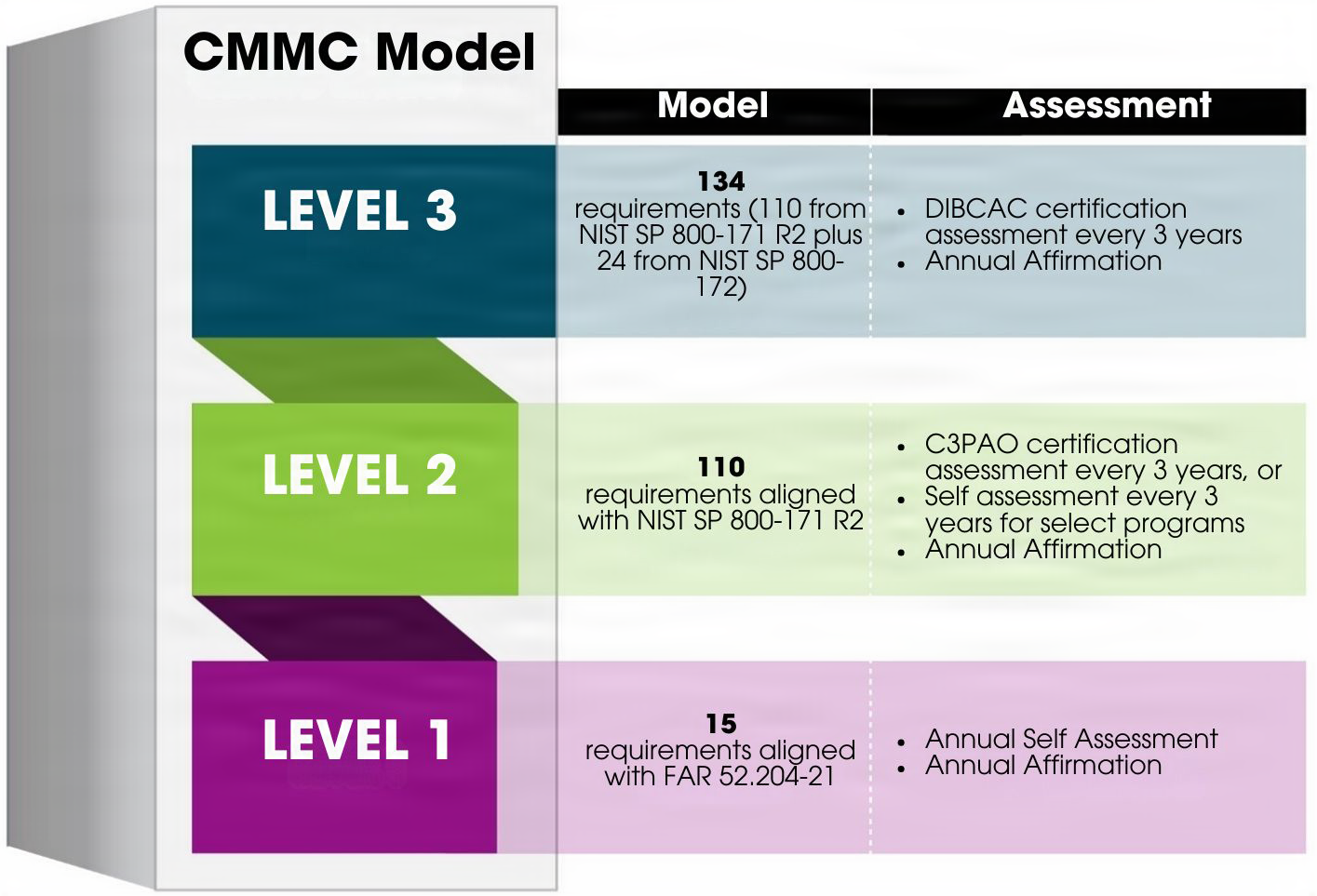
Many warehouse access projects are driven not just by management curiosity or convenience, but by business-driven needs to meet legal or trade standards that facilitate trade. Regulations like CMMC and DSCSA and trade standards like TAPA FSR and ISO 27001 require carefully controlled and logged access to sensitive areas and equipment.
Settler specializes in understanding the compliance environment for your business and security systems. We work with you to design your system from the ground-up to meet operational and compliance needs.
We can also work with you to upgrade or retrofit existing systems. We have helped several warehouse clients update access control systems to provide greater insight, flexibility, and compliance WITHOUT expensive retrofits.
Permit Coordination
Most jurisdictions require that access control projects be permitted, inspected, and approved by a Fire Marshal, Code Officer, or similar official prior to operation. We can help make permitting easy.
Our permit coordination services will work with your AHJ (authority having jurisdiction) to get your project plan approved proactively, secure permits, and schedule inspections and remediations. This helps your project run smoothly as well as eliminating the risk of business interruptions due to suspended certificates of occupancy, remediation orders, and other legal headaches.
—
If you have a warehouse or light industrial project that requires access control, please get in touch. Our first step will be a free Needs Assessment call to discuss your project. From there, we will determine if a free Site Survey to map your facility and put together a detailed plan & quote is a useful next step.
Contact our sales team to schedule your free, no-obligation assessment:
Access Control Blog Posts

Recent Projects
-
![]()
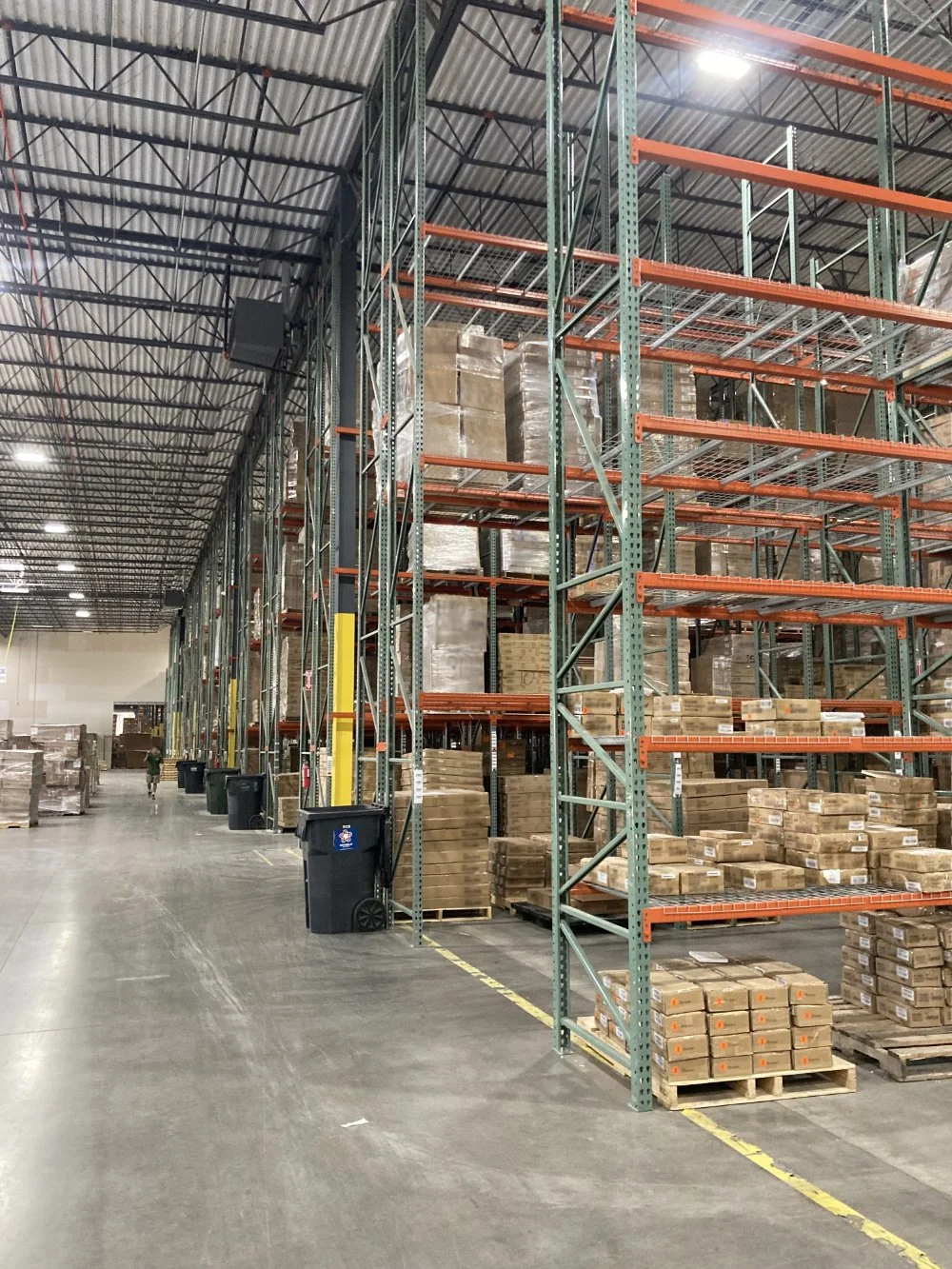
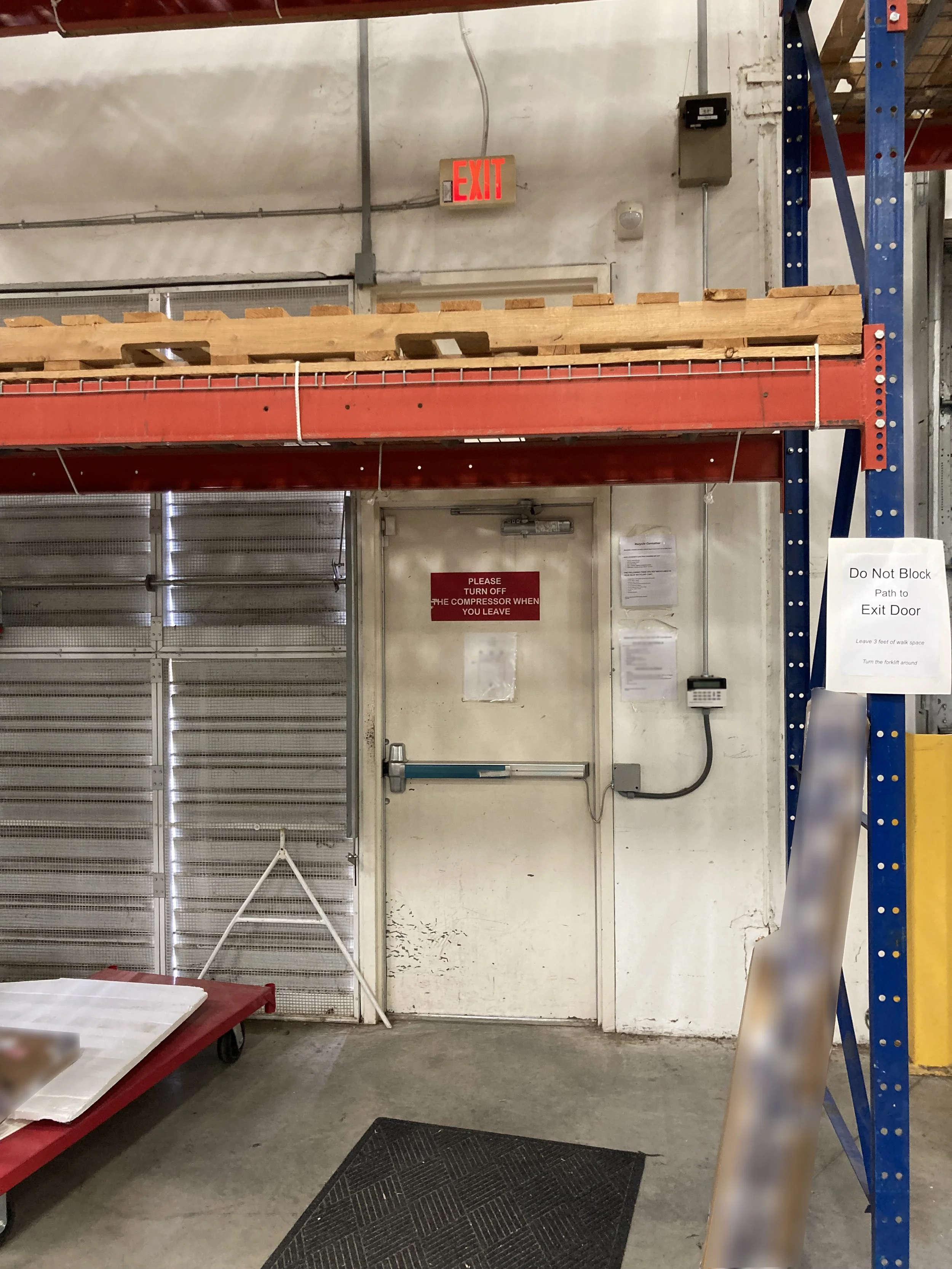
Distribution Center Cabling & Cameras
Cameras and data infrastructure for a 40’ tall, 100,000 square foot packing and distribution facility. Required IDFs, lift equipment, and nearly 2 miles of cabling.
-
![A security camera on a building exterior]()
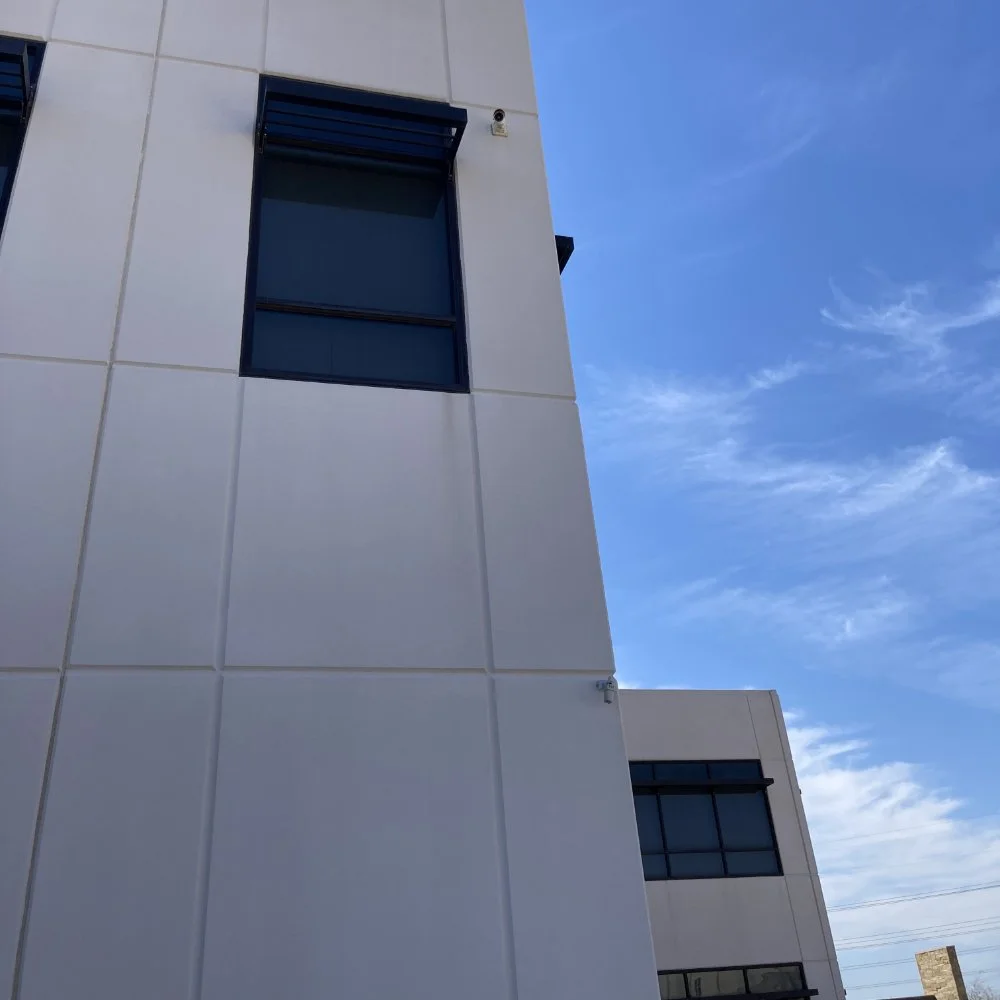
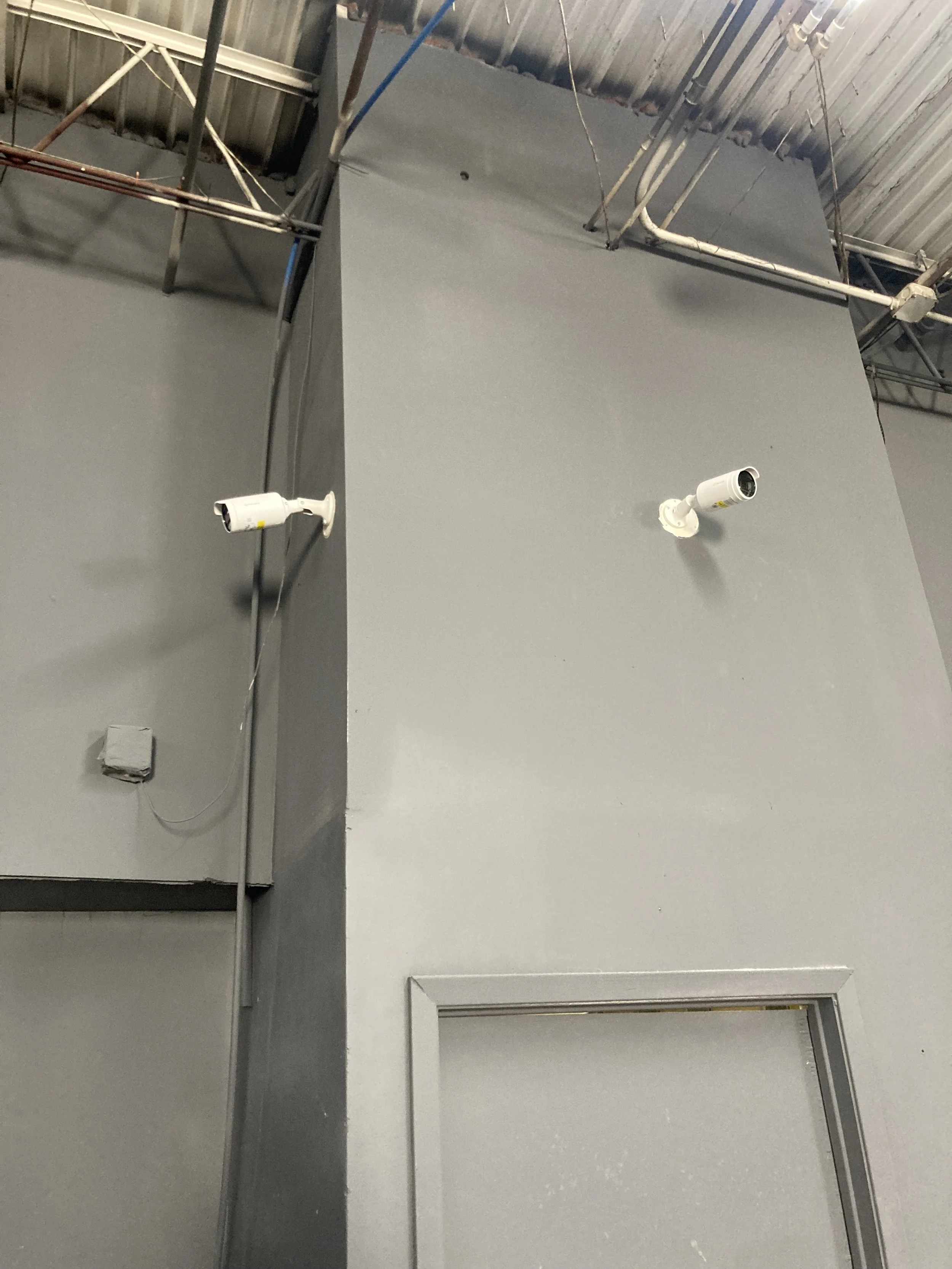
Exterior Camera Upgrade
Helped building owner upgrade cameras to zoomable, varifocal units to provide better resolution from building corners. The new cameras provided better identification of traffic/license plates and better coverage of a dumpster that had been a target for illegal dumping.
-
![]()
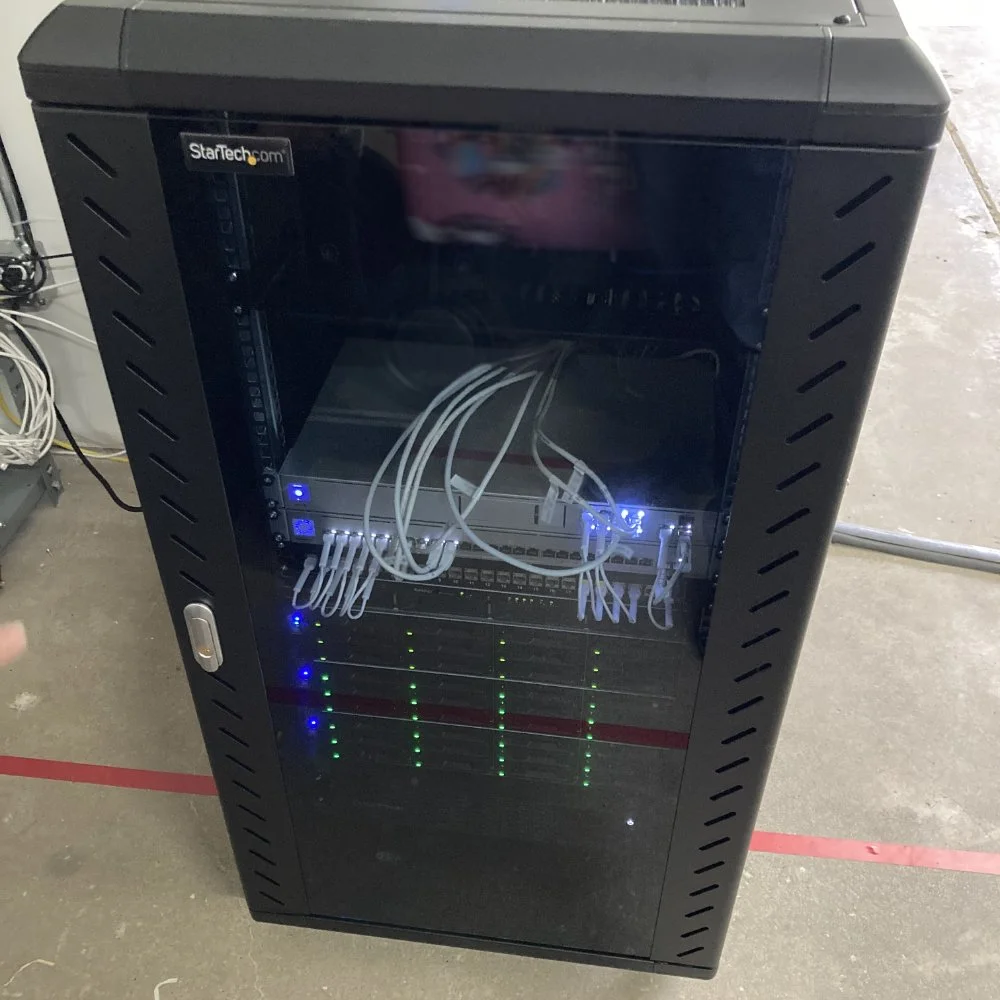
Surveillance NAS Upgrade
A multi-site client with expanding video storage needs engaged Settler to provide on-the-ground labor to install and cable a Synology Rackstation NAS cabinet and supporting network equipment.
-
![]()
Access Control Takeover & Modernization
After a client bought an operation with a warehouse and light manufacturing facility, we helped them gain functional ownership of the access control system, remove inactive credentials, and upgrade to cloud infrastructure for easy management of multiple sites.
-
![]()
Camera Replacement
Assisted a client moving into a new warehouse and office facility with removing old, proprietary cameras and upgrading to higher-resolution, interoperable ONVIF hardware, while testing and reusing existing cabling where possible to keep costs down.
-
![A scissor lift outside of a warehouse]()
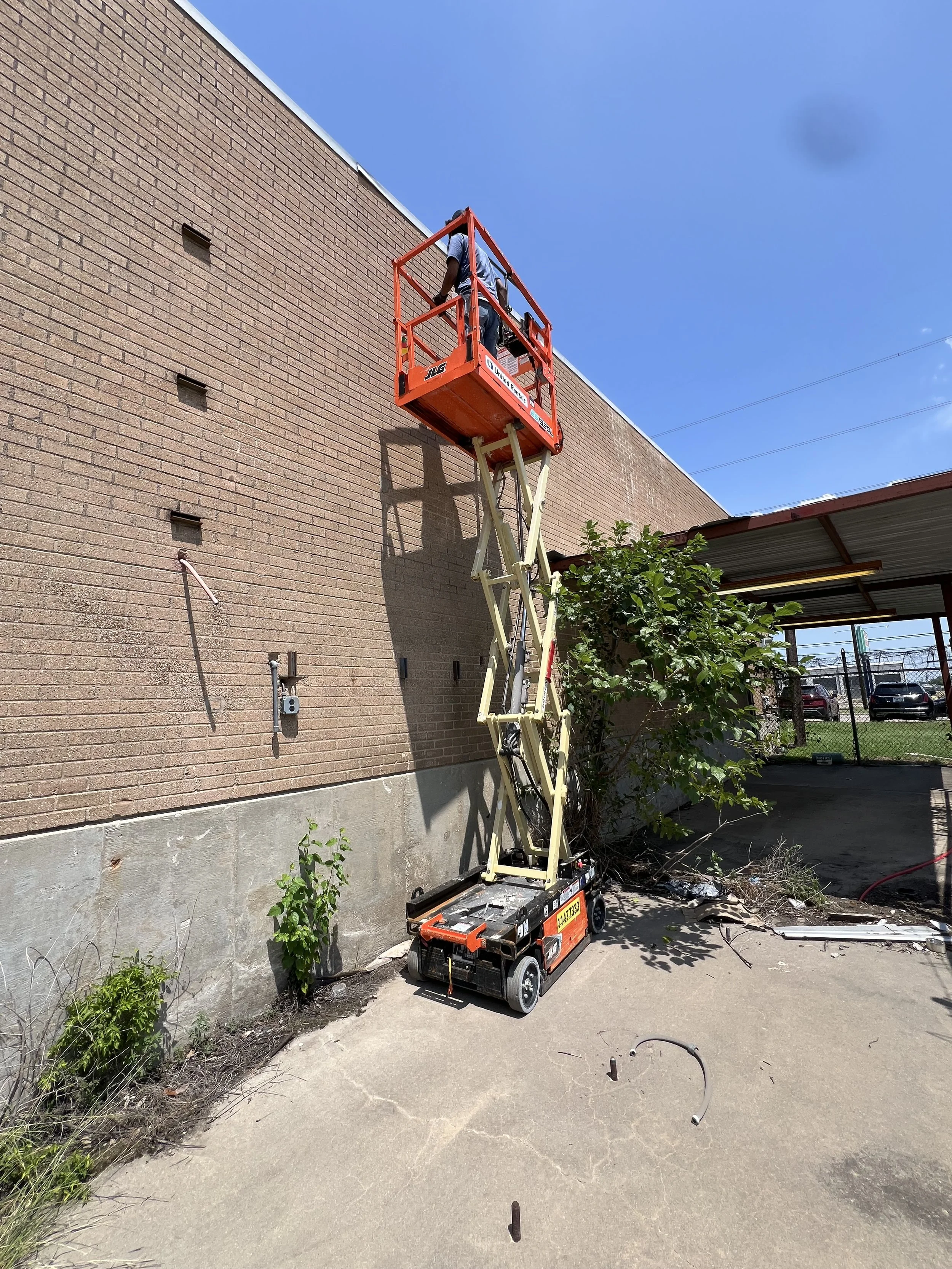
Blind Spot Elimination
Added exterior cameras at dock, alley, and parking lot to help a client experiencing high levels of theft from storage yard and alley.
-
![A warehouse dock]()
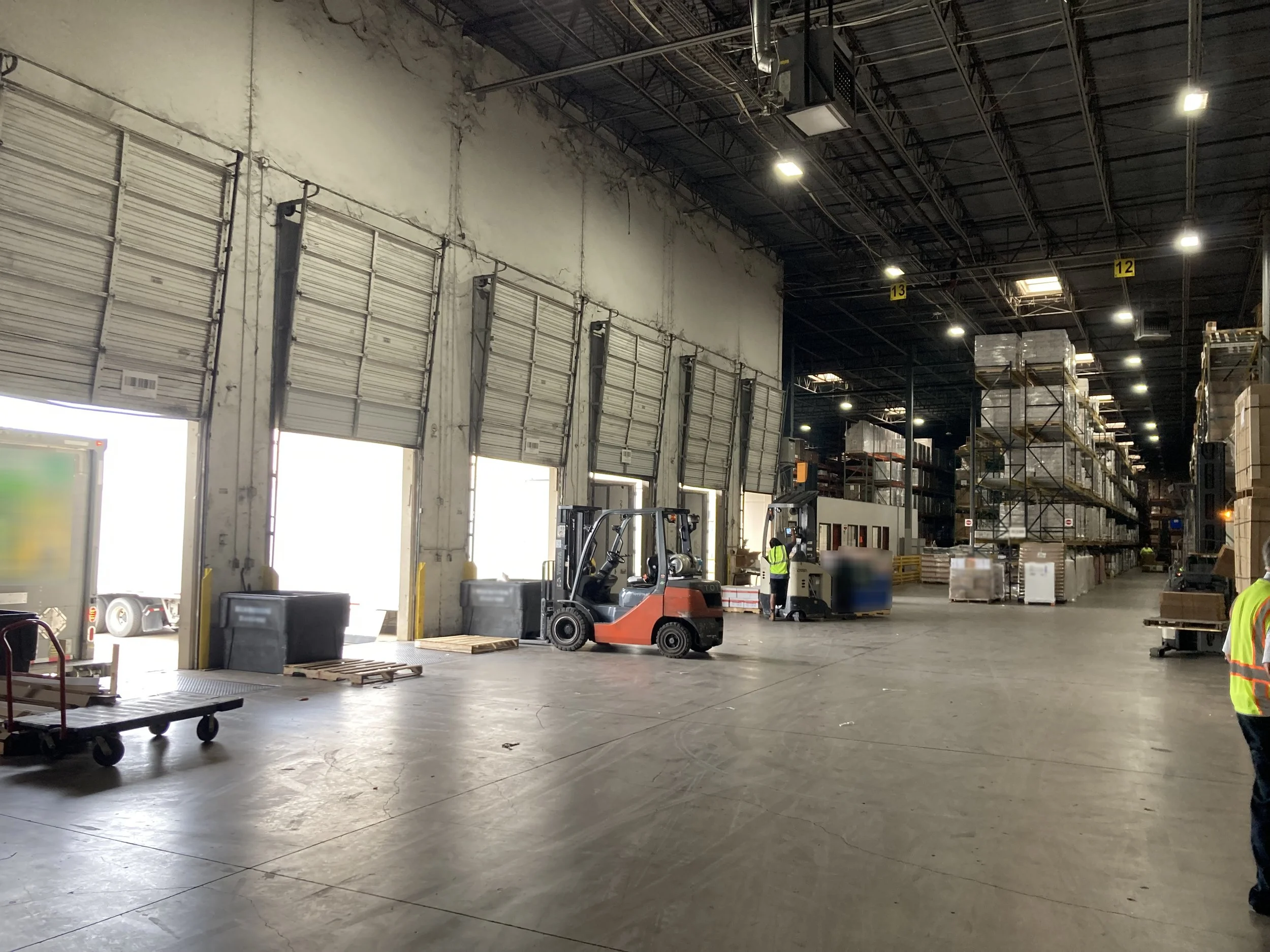
Shrinkage Mitigation
Stop repeated theft of high-value product from 200,000 sq ft facility through targeted coverage of product locations and exits. Used Eagle Eye cloud VMS to integrate multiple cameras with minimal cabling.
-
![]()
R2 Certification
Provided cabling and camera installation for a tightly-controlled facility getting its R2 (Responsible Recycling) certification for used electronics. Requires ability to trace physical chain-of-custody through a warehouse-sized facility.
Frequently Asked Questions
-
Access control budgets can vary widely. Controlling a single door with a code lock may cost only a few hundred dollars.
Access Control Management Software (ACMS) controlled systems often cost $2K - $3K per door (including software, lock hardware, cabling, and installation). Additional costs may come from municipal permitting, using maglock hardware, and tie-ins with fire & life safety systems.
Due to the complexity of budgeting for access control, we recommend starting with our free Needs Assessment to roughly size your budget. If budget makes sense, we can proceed to a free Site Survey to put together a detailed site plan and guaranteed-price quote.
-
We often recommend Brivo for cloud solutions and Keri Systems for on-prem solutions.
Brivo is a cloud-native ACMS that integrates seamlessly with their Eagle Eye video surveillance products.
Keri Systems hardware is designed and made in the US and is known for its durability. Although we often recommend it for on-prem installations, it is future-proofed and can be easily upgraded to their Borealis Cloud ACMS solution.
We can work with a wide variety of other common hardware, including HID, Honeywell, Dormakaba, ASSA ABLOY, Rosslare, and more.
-
Plan for most access control projects to take 2 to 3 months to complete.
Installation normally only takes one to two weeks, but - in most jurisdictions - access control projects will required detailed plans to be drafted and reviewed by fire marshals or city permitting offices. Completed installations may require review or testing in conjunction with fire protection systems prior to approval and activation. These important steps may take anywhere from several weeks to several months depending on complexity of the project and the workload of permitting authorities.
-
Key reasons to consider access control include reducing dependencies on physical keys, providing employees with additional flexibility for coming and going from the office, or compliance with key industry certifications and standards, such as CMMC, R2, ISO 27001, or other standards.
Electronic access control can provide reports on who is coming and going from your facility, reduce risks from key loss, protect your facility from improper access by former employees, and increase ease of access for contractors, visitors, vendors, deliveries, and other people with valid reasons to be present.
-
When evaluating bids for access control, you’ll need to consider several things besides price.
First, is the contractor fully licensed? Have they discussed permitting requirements with you? An improperly licensed installer or an unpermitted access control installation carries serious risk to both your staff and your business operations. Failures of equipment can trap people and fire marshals can revoke certificates of occupancy (halting business operations) until the site is are fully permitted and inspected.
Second, consider whether the contractor can support the full spectrum of technology in your facility. Do you need integrations with alarms or video? Do you need specific reports or features?
Finally, consider post-sale factors. Does your bid include support, maintenance, and/or warranties on the installation. Cheap bids for a half-baked system can be appealing up front, but can cost more to fix and repair in the long-run.
-
Electronic access control is most-often used at key entry points. Employee and customer access points (like front doors or reception area doors) are obvious. Additional entry points may include employee-only entrances, delivery entrances, and customer or guest entrances.
Other popular locations are on entrances to sensitive parts of the facility, especially server rooms, management offices, or storage facilities for high-value inventory.